School TV
Because parenting doesn't come with instructions, SchoolTV is a wellbeing resource implemented at our school to help support you in the challenges of modern-day parenting relating to youth mental health and wellbeing.
Parenting is a learning journey and SchoolTV supports families by providing credible information from trusted sources with practical strategies to help alleviate some of the challenges being faced by young people today.
Watch video interviews with leading wellbeing specialists and browse a library of resources. Each topic is accompanied by factsheets, podcasts, books, articles, apps and other videos.
This award-winning resource helps families build relationships, foster connections, enable understanding and break down barriers to navigate a pathway towards better mental health and wellbeing for young people. It will assist you in starting those conversations on topics that can sometimes be awkward or difficult to tackle.
Parents and caregivers are the greatest influence on a young person's life and SchoolTV focuses on empowering confident parenting.
“The wellbeing of today's youth has never been more challenging.” Dr Michael Carr-Gregg

R U OK? DAY
Understanding the growing challenges related to mental health among young people is an important consideration. Anxiety, depression and self-harm - are all causes for concern. Factors like academic pressure, social media, family dynamics, and societal expectations, are contributing to these issues. It's therefore crucial for parents and caregivers to take action early, remove the stigma around discussing mental health, and offer accessible support to address these issues and the wellbeing of their children.
R U OK?Day is an initiative that focuses on preventing suicide by encouraging meaningful personal connections and helping informal support networks to help recognise the signs of distress. We urge all families to take part, emphasising the value of genuine human relationships and reminding everyone to ask the important question, "Are you OK?"
Engaging in R U OK?Day activities goes beyond the classroom; it's a commitment to our students' overall development. By talking openly about mental health, schools create safe spaces where students feel understood, valued, and supported. As parents and caregivers, you can contribute by fostering open conversations, normalising feelings and breaking down mental health stigmas. Participating in R U OK?Day promotes compassion and shows our dedication to the wellbeing of the entire school community, reaffirming that together, we can truly make a difference.
This Special Report provides guidance on how to talk to your child about mental health and engage in meaningful discussions.
If you have any concerns about your child, please contact the school counsellor for further information or seek medical or professional help.

CELEBRATING FATHER'S DAY
For many years now, the role of fathers has changed and evolved. During the industrial revolution, fathers were often considered detached and distant due to working long hours in factories. However, today things have changed dramatically with many dads being celebrated for being sensitive, caring and more hands-on.
Recent studies have shown that children benefit greatly from having fathers who are present and interacting in everyday activities. This has transformed the understanding of how fathers shape children’s lives from the start, challenging conventional ideas of parenthood and gender.
Research also suggests that fathers influence their sons and daughters in different ways, which is especially true during their transition to adolescence. Engaging in regular physical activities can play a key role in influencing children to learn self-control, face challenges, regulate emotions and take manageable risks.
In this Special Report, fathers will learn about the positive impact they can have on their child’s mental health and wellbeing, whilst also ensuring they indulge in a little self-care.
If you have any concerns about your child, please contact the school counsellor for further information or seek medical or professional help.
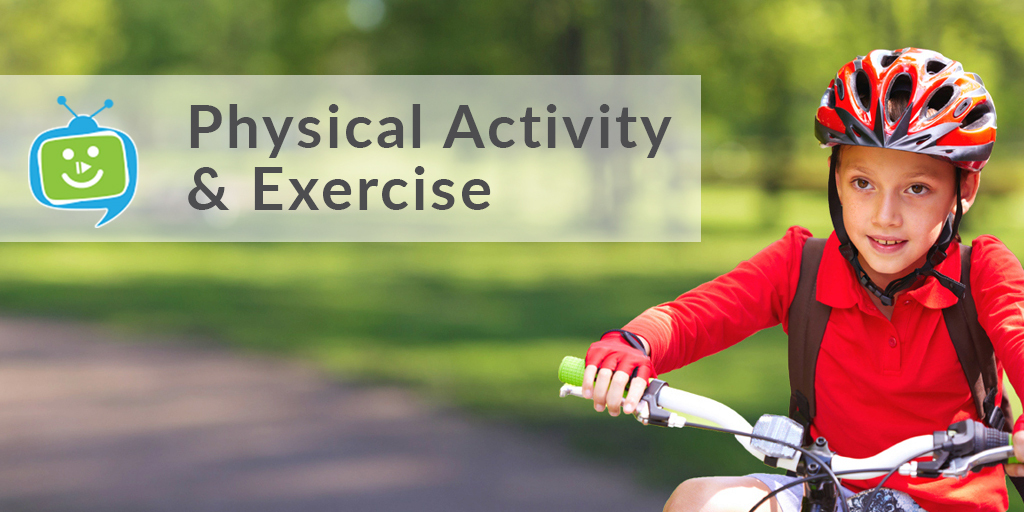
PHYSICAL ACTIVITY & EXERCISE
In the last decade, children’s participation in physical activity and exercise has been in decline. In this digital age, children are using computers and mobile devices, not only for learning, but for relaxation and recreation purposes. This sedentary lifestyle is having a detrimental effect on today’s youth. The key is finding the balance.
Research shows, that regular physical activity and exercise leads to changes in the brain. It improves cognitive function, elevates mood, enhances learning and improves academic outcomes. Playing sport helps kids develop fundamental movement skills impacting positively on their confidence, self-esteem and ability to develop social skills. Parents play an important role in helping children establish positive habits that will benefit their children in the long-term.
In this edition of SchoolTV, parents will discover practical advice relating to the benefits of regular physical activity and exercise, as well as tips on how to get their kids motivated and moving more.
If you have any concerns about your child, please contact the school counsellor for further information or seek medical or professional help.
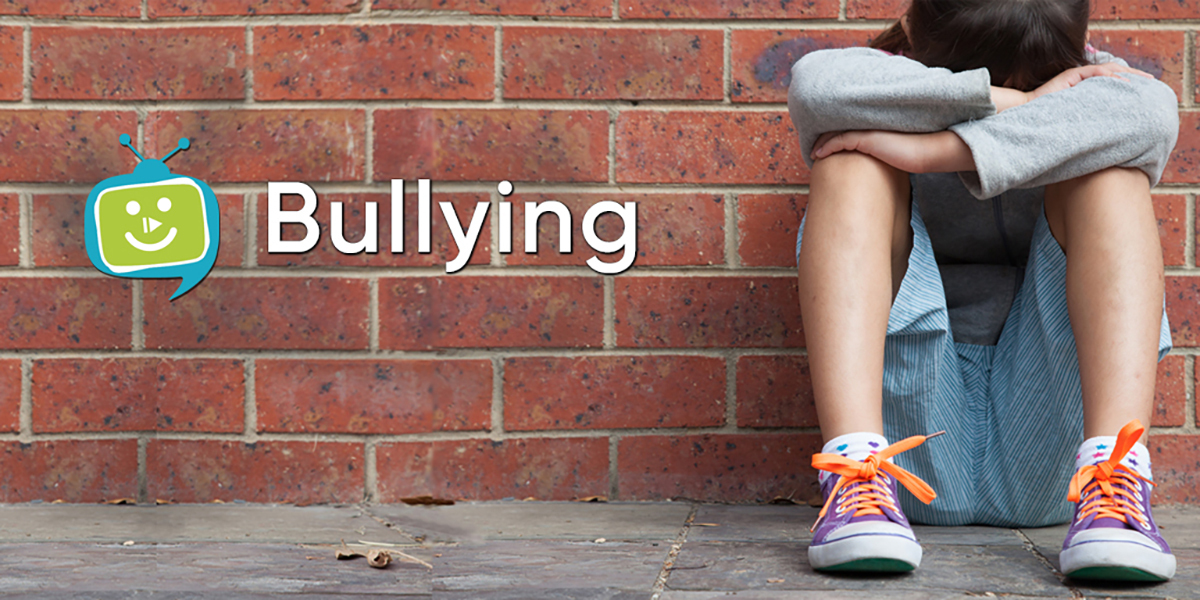
BULLYING
Bullying is an ongoing or repeated misuse of power in relationships, with the intention to cause deliberate psychological harm. Bullying behaviours can be verbal, physical or social. It can happen in person or online, via various digital platforms and devices and it can be obvious or hidden. Bullying in any form or for any reason can have immediate, medium and long-term effects on those involved, including bystanders.
Despite the efforts made to reduce bullying behaviours, the research tells us that one in four students still report being bullied every few weeks. However, not all negative behaviour should be considered bullying. The key difference is that bullying does not stop on its own. It’s important young people learn how to identify behaviours that are rude, behaviours that are mean, and behaviours that are related to bullying.
Often the reasons for bullying can be complex. Some young people do it to get approval from others, some do it to regain control, whilst others may do it because it makes them feel safe. Supporting young people as they work through their emotions will help them unpack the motivation and reason behind the behaviour. In this edition of SchoolTV, caregivers can better understand why some young people engage in bullying behaviours and what to do to support a child experiencing it.
If you have any concerns about your child, please contact the school counsellor for further information or seek medical or professional help.
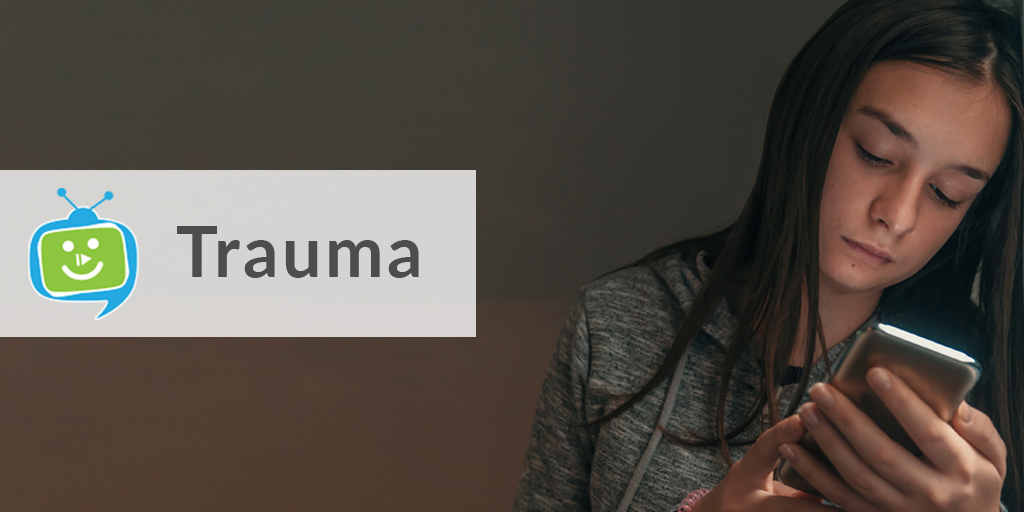
TRAUMA
Children and teens will experience events during their lives that will affect them emotionally and physically. How they react to these events depends on their age, personality and past experiences. Children can experience strong feelings of fear, sadness, guilt, anger or grief, making it difficult for them to cope with everyday life.
There are a number of ways that parents and care givers can support children after a traumatic event. Your reaction to an event, will impact your child’s ability to cope and recover. Children will look to the adults in their lives to help them better understand a traumatic event so it is important to ‘tune in’ to their fears and provide them with the comfort and support they need.
In this edition of SchoolTV, parents will learn how to gain a better understanding of trauma and how it affects children of all ages.I
f you have any concerns about your child, please contact the school counsellor for further information or seek medical or professional help.

EATING DISORDERS
Understanding an eating disorders can be difficult for families. There are many myths around what causes an eating disorder, but it is actually diagnosed as a mental illness. Although the focus is on food, weight and shape, there is often an underlying issue being masked by the eating disorder. It is the biggest killer of any psychiatric illness for young people. It affects both males and females of any age or background.
An eating disorder is a serious and potentially life-threatening mental health illness. It can have significant physical and emotional effects. The beginning of adolescence and late teens are peak periods for kids to experience their first symptoms. Young people with eating disorders can have reductions in cognitive function, emotional changes and may even stop participating in their normal daily activities.In this edition of SchoolTV, parents will learn what warning signs to look for and what can be done in the prevention of an eating disorder.
If you have any concerns about your child, please contact the school counsellor for further information or seek medical or professional help.
MENTAL HEALTH LITERACY
Mental health is an essential part of a young person's overall wellbeing, influencing how they think, feel, learn and interact with others. Yet many of us can feel uncertain about how best to identify concerns, start conversations or access appropriate support.
Mental health literacy is not about becoming an expert. It's about recognising when something isn't right, knowing how to respond and understanding where to seek help when needed. By building this awareness and capability, we can play an important role in supporting wellbeing, reducing stigma and encouraging early help-seeking.
This Special Report explores how we can strengthen our mental health literacy and includes a Mental Health Literacy Reflection Tool. By completing a series of questions, you can reflect on your own understanding, confidence and readiness to support the mental health and wellbeing of young people.
It is an opportunity to identify your strengths, recognise areas where you may wish to build your knowledge and take positive steps towards feeling more confident in supporting children and young people.
If you have any concerns about your child, please contact the school counsellor for further information or seek medical or professional help.

NAIDOC WEEK
NAIDOC Week is a time for all Australians to celebrate the history, culture and achievements of Aboriginal and Torres Strait Islander peoples while recognising the importance of connection, respect and reconciliation.
This year's theme, 50 Years of Deadly, marks 50 years of NAIDOC Week as a national week-long celebration, recognising five decades of strength, resilience, culture and community leadership. While NAIDOC's origins date back much further to the Aboriginal rights movement, this milestone provides an opportunity to reflect on progress while continuing to learn from the world's oldest living cultures.
Families play an important role in helping children and young people build understanding, appreciation and respect for First Nations peoples and perspectives.
This Special Report offers practical ideas and resources to help families celebrate NAIDOC Week together and continue meaningful conversations at home.
If you have any concerns about your child, please contact the school counsellor for further information or seek medical or professional help.

SOCIAL MEDIA & DIGITAL REPUTATION
Social media has become such an integral part of a teenager’s life. However, many miss out on some critical social skills with most communicating whilst looking at a screen instead of another person! Statistics show that 60 per cent of 10-11 year olds are using at least one social media site, with the majority using age-restricted platforms. What kids do, post and say online is permanent and most are not mature enough to manage their own digital footprint. Friendships, relationships and even future job prospects are all put at risk.
Parents need to be aware of what picture their children are painting of themselves online. Unfortunately, many parents do not see the dangers inherent of these sites, as they form opinions based on their own experience. But predators are usually not interested in grooming adults. Over the years there has been a dramatic increase in the number of primary schoolers owning mobile phones, highlighting the importance to teach kids about the dangers of social media and the implications it can have.
In this edition of SchoolTV, parents will learn how to talk to their children about the inherent dangers of social media and how to educate their kids to be responsible users in the online world we live in.
If you have any concerns about your child, please contact the school counsellor for further information or seek medical or professional help.

DEALING WITH CONFLICT
Conflict is a natural and unavoidable part of family life. As children grow, differences in opinions, emotions and expectations can sometimes lead to tension at home, at school or with peers. While these moments can feel challenging, they also present valuable opportunities to teach young people important life skills. How conflict is managed within the family plays a key role in shaping a child's ability to communicate, regulate emotions and navigate relationships.
For adult carers, supporting children through conflict means staying calm, listening with empathy and modelling respectful problem-solving. When handled constructively, conflict can strengthen relationships, build resilience and help children develop the confidence to manage disagreements in healthy and productive ways.
This edition of SchoolTV explores practical strategies to help families approach conflict with greater understanding and confidence.
If you have any concerns about your child, please contact the school counsellor for further information or seek medical or professional help.

DIET & NUTRITION
We all know that diet and nutrition is vital to your child’s development and growth, but are you aware of the effects it has on your child’s brain development and how it can impact their academic achievement?
In this era of convenience, it is easy to reach for pre-packaged and processed foods to cope with busy schedules. However, these foods are usually packed full of sugar and salt which can have adverse health effects. Making a habit of reading food labels can help reduce the risks. It can also help to stabilise your child’s energy, improve their mood, maintain a healthy weight and improve their general wellbeing.
In this edition of SchoolTV, parents will discover practical advice for teaching your kids about the benefits of incorporating a healthy diet and good nutrition.
If you have any concerns about your child, please contact the school counsellor for further information or seek medical or professional help.

COST OF LIVING CRISIS
In our ever-changing economic landscape, parents and caregivers are increasingly faced with the task of broaching the subject of growing expenses with their children. While the instinct may be to shield young people from life’s challenges, there's a growing belief that addressing real-world issues, including financial uncertainties, can actually foster resilience and understanding. Striking a balance between protection and education is crucial for those looking to empower their children.
To effectively introduce the topic of finances, we need to be mindful of the timing and setting of the conversation. Using straightforward, age-appropriate language helps maintain transparency, and openly discussing adjustments to the family budget can carry significant weight. By encouraging children to participate in finding creative ways to save and make thoughtful spending choices, parents can nurture a sense of responsibility.
This Special Report offers a valuable opportunity to enhance children's financial literacy, equipping them with the resilience needed to thrive in an increasingly complex world.
If you have any concerns about your child, please contact the school counsellor for further information or seek medical or professional help.

NEURODIVERSITY
Neurodiversity emphasises the natural variation in how an individual's brain functions and how they perceive and interact with the world, leading to diverse ways of learning and communicating. While most young people are neurotypical, some exhibit variations in brain development, such as ADHD, autism or dyslexia, making them neurodivergent.
Embracing neurodiversity involves accepting, celebrating, and supporting neurodivergent children and adolescents without attempting to change or treat their differences. Using respectful language, challenging unhelpful attitudes, avoiding assumptions, and actively promoting inclusivity can help embrace neurodiversity effectively.
Acknowledging the unique ways neurodiverse young people do things and then adapting tasks and activities to ensure their full participation will encourage them to develop strategies that feel natural to them. It will help improve their mental health, wellbeing and sense of self. By recognising and nurturing their strengths, parents and caregivers can contribute to building an inclusive and compassionate society where all young people can thrive.
Learning more about neurodiversity, equips caregivers with insights into effective communication techniques, educational strategies, and parenting approaches tailored to the specific needs of their neurodivergent child.
If you have any concerns about your child, please contact the school counsellor for further information or seek medical or professional help.

CULTURAL DIVERSITY
Cultural diversity encompasses the variety of cultures, beliefs, and traditions present globally, contributing to a rich tapestry of human experiences and perspectives. By valuing every child's cultural background, we enable them to excel in all facets of life. Nurturing an environment of curiosity, open-mindedness, and respect for all cultures, will to only promote unity but a deeper appreciation of the nuances that distinguish us.
Inclusion is about more than just words; it's about fostering a sense of belonging and acceptance for every child, regardless of their cultural background. When children and adolescents feel seen and valued for who they are, they can thrive academically, socially, and emotionally. Valuing and understanding cultural diversity, helps our communities benefit from a wealth of perspectives and experiences, enhancing our collective capacity for empathy and innovation.
As parents and adult carers, instilling an appreciation for cultural diversity is vital to equip young people with the tools they need to navigate an increasingly interconnected world. Through leading by example and showing that kindness and understanding knows no boundaries, we can encourage them to embrace multiculturalism. This will not only prepare young people for personal success, but also for contributing to a world that views diversity as a strength. Through collective efforts, we can help pave the way for a more accepting and vibrant future.
In this edition of SchoolTV, learn how best to embrace and celebrate cultural diversity with your children.
If you have any concerns about your child, please contact the school counsellor for further information or seek medical or professional help.

THE IMPACT OF DOMESTIC & FAMILY VIOLENCE
Domestic and family violence is a confronting and deeply sensitive issue, yet it affects families in every community. While it often happens behind closed doors, its impact can be felt in many aspects of a young person's life, including their emotional wellbeing, behaviour, learning and relationships. Children and adolescents do not need to be directly harmed to be affected. Witnessing conflict, living with fear or experiencing controlling behaviours can leave lasting emotional and psychological effects.
Research consistently shows that exposure to domestic and family violence increases the risk of anxiety, depression, difficulties concentrating and challenges with trust and emotional regulation. For parents and carers, this can feel overwhelming and complex. However, awareness is a powerful first step. By understanding the signs, keeping communication open and knowing where to seek support, families can play a crucial role in protecting young people and breaking the cycle of harm.
This Special Report provides practical guidance to help families recognise warning signs, understand the impact on children and identify pathways to support. By working together, we can create safe, respectful environments where young people feel protected, heard and supported.
If you have any concerns about your child, please contact the school counsellor for further information or seek medical or professional help.

CELEBRATING MOTHER'S DAY
Mother's Day originated from humble beginnings in 1908 as a simple tradition to honour all mothers, living and deceased. However, it did not take long for florists, confectioners and card companies to jump onboard and commercialise the day, much to the disappointment of its founder, Ann Jarvis.
Today, Mother's Day is an annual reminder to say thanks to our mum, or other motherly figure, who plays an important role in our lives. It is a day to express our gratitude and love towards the women who have dedicated their time, energy, and love to raise and support us. Whether it's a simple gesture like a card, a bunch of flowers, or a heartfelt message, Mother's Day is an opportunity to show our mothers how much we cherish and admire them. It's a time to reflect on the love, sacrifices, and unwavering support that our mothers provide unconditionally.
Mothers will often put the needs of others above their own, so it is paramount to remind them to take care of themselves, especially when it comes to their mental health. Research has shown that women experience some mental health conditions more so than men and at much higher rates. There are many factors that can impact a woman's wellbeing physically and emotionally. Seeking effective treatment can enable her to engage more readily in everyday activities and fulfil the needs of her children and family.
This Special Report highlights that Mother's Day is not only a celebration, but also a reminder of the vital role mothers play in the developmental growth of her children and the impact this has on shaping our society.
If you have any concerns about your child, please contact the school counsellor for further information or seek medical or professional help.

DO IT FOR DOLLY DAY
Bullying can have a profound and lasting impact on a young person's wellbeing, sense of belonging and confidence. It is not always visible and can include social exclusion, verbal abuse and online harassment, often occurring repeatedly over time. Research shows that bullying can increase the risk of anxiety, low self-esteem, social withdrawal and difficulties with learning and peer relationships.
For parents and carers, it can be difficult to know how best to respond. However, recognising the signs, listening without judgement and maintaining open communication can make a significant difference.
Do It For Dolly Day is a national reminder that kindness matters and that everyone has a role to play in creating safe and inclusive communities.
This Special Report provides practical guidance to help families understand bullying, support their child and promote empathy, respect and positive relationships, ensuring no child feels alone.
If you have any concerns about your child, please contact the school counsellor for further information or seek medical or professional help.
POSITIVE PARENTING
Despite the best efforts of parents around the world, the reality is, there is no such thing as the ‘perfect parent’. However, arming yourself with the right information is a good start!
Research shows, that one of the most important protective factors in the lives of young people, is a close relationship with a supportive adult. With the mental health of today’s young people being at an all-time low, it is simply not enough to parent effectively. Parents need to familiarise themselves with practical skills, knowledge and strategies when it comes to raising children.
Many parents today are over-protective, resulting in children being less independent, unable to problem-solve or self-regulate. Parents are failing to set clear boundaries, which is unfortunately making kids feeling less secure. There is too much pressure on kids today. Parents fill their days with too many activities in an effort to avoid their child’s boredom.In this edition of SchoolTV, parents will learn what is the best approach for primary and secondary school aged children.
If you have any concerns about your child, please contact the school counsellor for further information or seek medical or professional help.

CYBERBULLYING
With the advent of the internet, smart phones and tablets, there is now a whole new digital dimension added to traditional schoolyard bullying. There was once a time when bullying victims were given some respite outside of school hours, but sadly these days, online bullying can occur 24/7. In today’s world, teaching your child about online and cyber safety, is as important as learning to swim or cross the road!
Cyberbullying can be identified as being the repeated behaviour by an aggressor with the intent to harm or embarrass. Technology enables these aggressors to share information widely and quickly, making this form of bullying extremely dangerous and harmful. However, the answer is not to shun the internet nor social media. Instead, parents are encouraged to embrace it and instil a family internet policy to protect their children without limiting the freedom to learn, explore and communicate online.
In this edition of SchoolTV, parents are provided with useful guidelines and advice on how to minimise the risks. Children have the right to feel safe, regardless of whether it is in the schoolyard or online.
If you have any concerns about your child, please contact the school counsellor for further information or seek medical or professional help.

RESPONDING TO PEER PRESSURE
Peer pressure is a natural part of growing up. As children and adolescents place greater importance on friendships and belonging, the influence of peers can shape their choices, behaviour and sense of identity. While this influence can be positive, it can also create pressure to conform or take risks, particularly during adolescence.
In today's digitally connected world, peer pressure extends beyond face-to-face interactions. Social media and online communication expose young people to constant comparison and unspoken expectations about how they should look, act and perform. Understanding how peer pressure works, both on and offline, helps families support young people to build confidence, make healthy decisions and stay connected to their own values.
If you have any concerns about your child, please contact the school counsellor for further information or seek medical or professional help.

HARMONY WEEK
Harmony Week is celebration held annually in March across Australia. It's aimed at promoting diversity, respect and inclusiveness. This event is an excellent opportunity for parents to teach their children about different cultures, traditions and customs. The goal is to encourage everyone to appreciate and celebrate differences and promote a sense of community and belonging for everyone.
During Harmony Week, there are a number of events and activities held to bring people from different cultures together. These activities include multicultural food festivals, cultural performances, art exhibitions and workshops. Participating in these events helps children to gain a deeper understanding and appreciation of the diverse communities that make up Australia.
As a parent, you can engage your children in discussions about multiculturalism and encouraging them to ask questions. Promoting a more harmonious and inclusive society, can help children grow up with a greater appreciation for the richness and diversity of Australia's cultural landscape.
This Special Report hopes to instil positive values and create an opportunity to start a conversation with your child about understanding diversity and multiculturalism.
If you have any concerns about your child, please contact the school counsellor for further information or seek medical or professional help.

SLEEP
Students today have extremely busy schedules, with ever increasing responsibilities at school and at home. Many kids, especially adolescents, are going to bed later and later and are at risk of sleep deprivation. This affects three areas of a child’s development: psychological, physiological and psychosocial. All three are essential to a child's growth, learning ability and overall wellbeing. Sleep is vital to a child’s overall development and is as important as diet and exercise.
Sleep also strengthens a child’s immune systems and supports their ability to function properly on a daily basis. Children who do not get enough sleep show increased levels of aggressive behaviour, are less attentive and are much less active. Trying to catch up on sleep on weekends is not the answer and can still lead to severe sleep deprivation.
In this edition of SchoolTV, parents will learn about the importance of sleep and how sleep deprivation can have adverse effects on a child’s health and wellbeing.
If you have any concerns about your child, please contact the school counsellor for further information or seek medical or professional help.

THRIVING IN YOUR FINAL YEAR
It's no secret that the end of school can be a huge source of anxiety for both students and parents alike. Studies have shown that over 40% of final year students suffer from high-level anxiety or stress, with some even suffering from depression.
It is important to prepare a student's brain for success. Studies show there is a clear link between students taking care of their health, and their overall productivity during the final year of school. Understanding how best to support your child's health and wellbeing during this time will help them perform at their best. The student brain has a lot going on, so understanding how it works will help them get the most out their brain power. Acknowledge that not all stress is bad. The art is in finding the right balance. Having the right amount of stress can encourage students to be at their optimal level of alertness, and improve behavioural and cognitive performance. It helps tune their brain and focus.
In this Special Report, parents and care givers will be presented with a number of strategies on how best to support their child during the final year at school.
If you have any concerns about your child, please contact the school counsellor for further information or seek medical or professional help.

DISCUSSING WAR AND CONFLICT
With the recent escalation of conflict involving Iran, children may be hearing or seeing distressing updates through the 24-hour news cycle, social media and conversations at school. Even when events are geographically distant, repeated exposure to images, headlines and commentary can heighten anxiety, particularly for young people whose understanding of the world is still developing.
It is important for parents and caregivers to be mindful of overexposure, as constant coverage can amplify fear and uncertainty. Reassurance is key. Children need to feel safe and supported as they process complex global events.
Before beginning these conversations, take a moment to check in with your own emotions. Children often take their cues from the adults around them. Remaining calm, listening openly and offering reassurance can help your child regulate their feelings and maintain a sense of security.
This Special Report provides practical guidance to help families navigate conversations about war and conflict in a measured, age-appropriate way, while reinforcing hope, empathy and resilience. We encourage you to take a moment to review the information provided.
If you have any concerns about your child, please contact the school counsellor for further information or seek medical or professional help.
WELLBEING BAROMETER 2026
The Wellbeing Barometer survey is an important annual check-in that helps our school better understand the wellbeing of our students. Each year, the survey provides valuable insights into young people's experiences, highlighting areas of concern, recognising strengths and resilience and reinforcing the importance of early, preventative support.
This year, the survey has been reviewed and refreshed to further refine the information shared by parents and adult carers, helping provide a clearer and more meaningful overview of wellbeing across our school community. These updates support more accurate insights while maintaining the same commitment to privacy and confidentiality.
Your participation is strongly encouraged. We ask that you take a few moments to complete the survey for each of your children, based on your observations from the past 12 months. All responses remain anonymous and are reported only in aggregate.
By capturing a broad picture of students' emotional, social and mental wellbeing, the survey helps us respond more effectively to the evolving needs of our school community. The insights gathered assist in identifying emerging trends, areas of strength, and opportunities for early intervention, ensuring support can be targeted where it is needed most.
If you have any concerns about your child, please contact the school counsellor for further information or seek medical or professional help.

SCREEN TIME
As a result of the global pandemic, there has been a noticeable shift in the amount of time people spend on screen-based devices. Families are transitioning back to pre-COVID routines but many are still struggling to re-establish the boundaries and rules around screen use. Some continue to deal with digital conflict and tech-tantrums on a daily basis. The latest research found that 77% of teenagers spend more than five hours on screens per day, but it is important to note that not all screen time is considered equal.
Parents play a crucial role in modelling a positive and healthy approach to using screens and assisting children to navigate the content they watch. It is better to model and mentor screen use, rather than monitor it. Children tend to do more of what they see us do, and less of what we tell them to do. However, it is still important to outline the risks and highlight the benefits of screen use to ensure you keep a balanced attitude. Encourage discussions around the issues that people experience in monitoring their screen time and be honest about your own difficulties.
Parents need to remain firm in their approach to managing screen time. Excessive screen time can be detrimental to a child’s overall wellbeing. Ensuring the correct privacy settings are in place is vital to prevent children from being inadvertently exposed to inappropriate content or online predators. Parents need to also be mindful of the potential impact screen time can have on a child’s social, emotional, educational, behavioural, and even physical domains.
In this edition of SchoolTV, care-givers will be provided with a range of guidelines and strategies to help manage screen time at home.
If you have any concerns about your child, please contact the school counsellor for further information or seek medical or professional help.

STARTING YEAR 7
When a child starts high school, they suddenly become one of the youngest and newest kids at school all over again - a small fish in a big pond! The transition between Year 6 and Year 7 is one of the biggest jumps in a child's life and is a very important milestone. This can easily become a daunting time for students and parents alike.
Starting Year 7 poses many new challenges, but also exciting opportunities. It comes with a number of mixed feelings. Some students may be feeling a little anxious about their expectations of starting Year 7 and finding their place in the "big pond". As your child grasps new skills and engages in new study practices, it is important for parents to be supportive, but also realistic in their expectations. Parents and students can easily become overwhelmed during this time of transition but, there are a number of strategies that can be implemented to start things off on the right foot!
If you have any concerns about your child, please contact the school counsellor for further information or seek medical or professional help.
FRIENDSHIP & BELONGING
Learning how to make new friends and keep them involves a number of skills every young person needs to understand and develop. For some these skills will come very naturally, allowing them to easily move between different friendship groups, sharing their experiences and opening up to new people. For others, this can be much harder to navigate. Belonging to a group that is like-minded with similar interests is highly beneficial to a young person’s wellbeing. It gives them a sense of security helping them feel valued which in turn builds their confidence.
Positive friendships are an important part of the journey to adulthood. Adult carers can support their child or teenager by providing guidance in the many social and emotional skills required for a healthy relationship. This will help them to obtain, retain and maintain friendships. However, not all friendship are regarded as positive. Sometimes young people develop negative or toxic friendships. Therefore it is also important for them to learn how to identify, avoid or deal with such a friendship.
In this edition of SchoolTV, adult carers can learn how to support their young person’s friendship so that they experience a sense of belonging.
If you have any concerns about your child, please contact the school counsellor for further information or seek medical or professional help.

SCHOOL TRANSITIONS
Whether it is starting school for the first time, moving up to a higher grade or embarking on a journey through secondary school, there is no doubt that any school transition is a very exciting time for children and parents. It means your children are growing up!
However, transitioning is an ongoing process. It can continue long after students have entered their new environment and may encounter difficulties at a number of different stages. These stressors may appear as anxiety and frustration and result in negative or disruptive behaviours. Such behaviours can become problematic making the transitioning process even more difficult for children and parents.
In this edition of SchoolTV, parents will learn practical strategies to assist your child during the transition process and reduce stress and anxiety levels.
If you have any concerns about your child, please contact the school counsellor for further information or seek medical or professional help.